
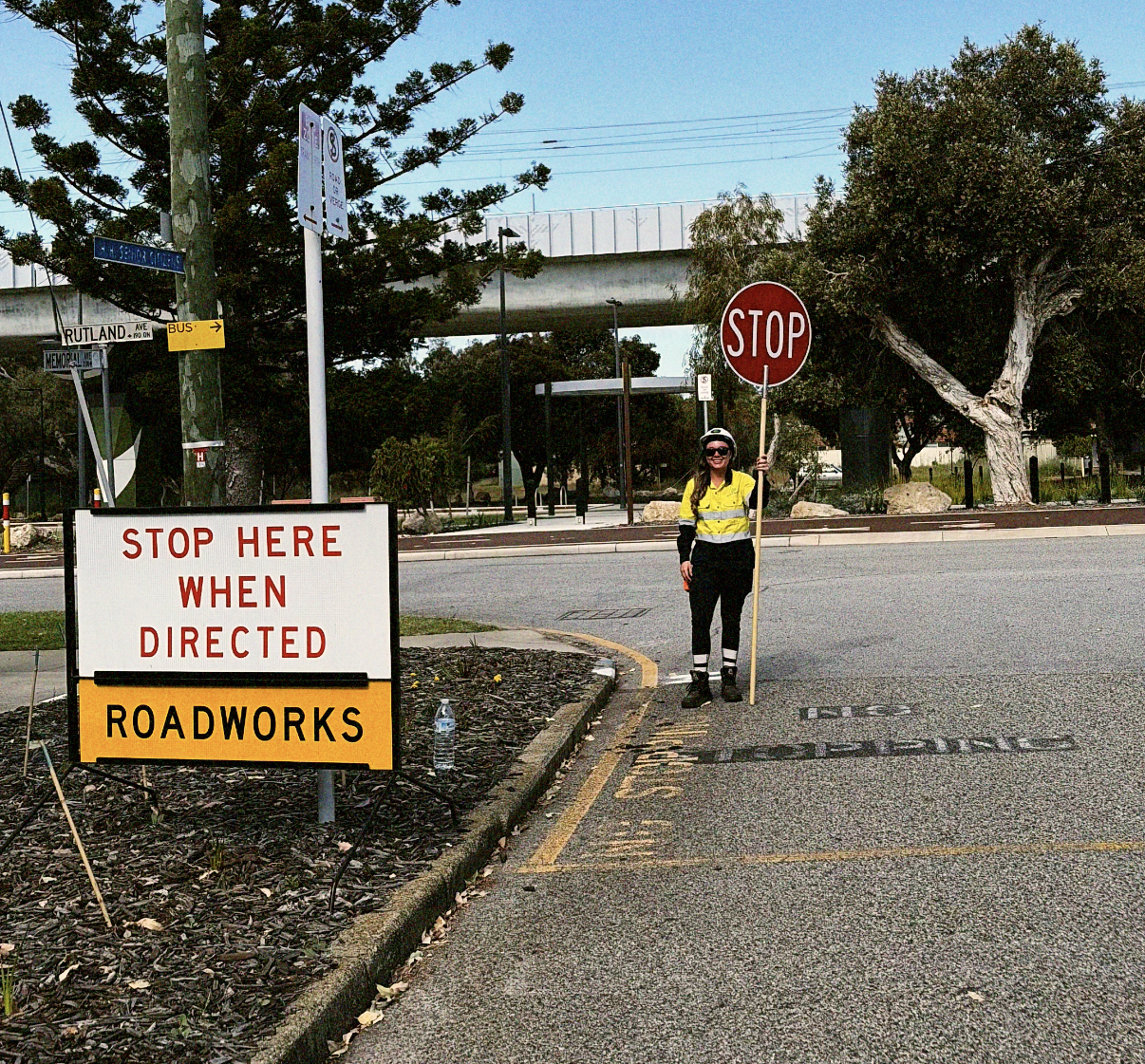
Roadworks, construction projects, utility works, events and major infrastructure projects can all temporarily change the way vehicles, pedestrians and cyclists move through an area. When normal traffic conditions are affected, clear planning and appropriate controls are needed to help keep people moving safely around the work or activity.
So, what is traffic management?
Traffic management is the planning and control of traffic movements around worksites, events and other activities to help protect workers and road users while keeping traffic moving as safely and efficiently as possible.
Effective traffic management involves much more than placing cones on the road or having traffic controllers direct vehicles. Depending on the project, it can include site planning, risk assessment, temporary signage, Traffic Guidance Schemes, traffic control equipment, trained personnel and ongoing monitoring as conditions change.
Turtle Traffic provides end-to-end traffic management services across Perth and regional Western Australia, supporting projects from planning through to on-ground delivery. With a Perth Metro head office in Bassendean, a regional depot in Albany, MRWA accreditation and ISO-certified systems, the team supports traffic management requirements across a wide range of WA projects and industries.
What Is Traffic Management?
Traffic management is the coordinated planning and control of how people and vehicles move through or around a worksite, event or other area where normal traffic conditions have changed.
It brings together planning, trained people, equipment and procedures to manage the movements of:
- Vehicles
- Pedestrians
- Cyclists
- Workers
- Construction vehicles and machinery
- Traffic entering, leaving or moving around a worksite
The goal is to create a safe and practical traffic environment while allowing the work or activity to continue with as little unnecessary disruption as possible.
There is no single traffic management setup that suits every project. The controls required will depend on factors such as the location, road environment, type of work, traffic conditions, access requirements and the risks identified during planning.
For this reason, effective traffic management needs to reflect the way the site will actually operate, rather than applying the same standard setup to every project.
Why Is Traffic Management Important?
When normal road or access conditions change, there can be increased interaction between vehicles, workers, pedestrians, cyclists and construction activities. Effective traffic management helps create a safer and more controlled environment for everyone moving through or working around the area.
The key objectives of traffic management include:
- Protecting workers and road users
- Reducing the risk of collisions and other incidents
- Maintaining safe movements for pedestrians and cyclists
- Managing vehicles entering, leaving and moving around worksites
- Reducing unnecessary disruption to surrounding traffic
- Helping works and projects operate safely and efficiently
- Supporting compliance with relevant traffic management and workplace safety requirements
Good traffic management is not simply about stopping or redirecting traffic. It balances safety, accessibility and project efficiency, helping work continue while reducing unnecessary disruption to the surrounding road network and community.
What Does Traffic Management Involve?
Effective traffic management combines planning, people, equipment and ongoing oversight. While the exact approach will vary between projects, the process generally starts before work begins and continues as site conditions change.
Traffic Management Planning
Traffic management should begin before signs, cones or other physical controls are placed on site. Careful planning helps identify how the work may affect existing traffic movements and what controls may be required to manage those changes safely.
Depending on the project, planning may involve:
- Reviewing the worksite and surrounding road environment
- Identifying traffic-related hazards and risks
- Assessing vehicle, pedestrian and cyclist movements
- Considering access for workers, construction vehicles and machinery
- Determining suitable traffic controls
- Planning how different stages of the work will be managed
For some projects, this may include preparing a traffic management plan that sets out how traffic-related risks and movements will be managed, supported by Traffic Guidance Schemes showing the temporary traffic control arrangements required for the site.
Traffic Control Equipment
Different sites require different types of traffic control equipment depending on the road environment, work being completed and risks involved.
Common examples can include:
- Temporary road signage
- Traffic cones
- Barriers
- Bollards
- Temporary traffic signals
- Variable message signs
- Pedestrian controls
These controls help road users understand changed conditions, guide movements through or around the site and provide separation between live traffic, workers and work areas where required.
Traffic Controllers
Trained traffic controllers can play an important role in managing vehicles and other road users through or around work areas. Depending on the site setup, they may control vehicle movements, manage access points or guide road users through temporary changes to normal traffic conditions.
Traffic controllers are one part of the wider system, working alongside planning, signage, equipment, site arrangements and monitoring.
Monitoring and Adjustments
Traffic arrangements may need to change as a project progresses. Work areas, access points, traffic movements and site risks can all change over time, so the controls in place may need to be reviewed.
Changes may be required when:
- Work progresses into a different area
- Site access points change
- Traffic volumes or movements change
- New hazards are identified
- A different stage of the project begins
Ongoing monitoring helps ensure the traffic management arrangements continue to reflect what is actually happening on site, rather than simply relying on the conditions that existed when the project began.
Traffic Management That Keeps Projects Moving
So, what is traffic management? It is the coordinated process of planning, controlling and monitoring how vehicles, pedestrians, cyclists, workers and other road users move around worksites, events and changed road environments.
Effective traffic management combines careful planning, suitable traffic controls, appropriate equipment, trained personnel and ongoing monitoring to help create safer conditions for workers and road users while allowing projects to continue efficiently.
Turtle Traffic supports projects across Perth and regional Western Australia from traffic planning and TMP design through to on-ground traffic management. Its capability is backed by MRWA accreditation and ISO 9001, ISO 14001 and ISO 45001 certified systems. Need traffic management support for your next project? Learn more about Turtle Traffic’s Traffic Management Services or Traffic Planning & TMP Design, or get in touch with the team.
Frequently Asked Questions
What is traffic management?
Traffic management is the process of planning and controlling the movement of vehicles, pedestrians, cyclists and other road users around worksites, events or other areas where normal traffic conditions have changed.
It can involve planning, signage, traffic controllers, equipment and ongoing monitoring to help keep people moving safely and efficiently.
What is the purpose of a traffic management plan?
A traffic management plan outlines how traffic-related risks, access requirements and movements will be managed throughout a project.
Depending on the work involved, it can help establish the controls, procedures and traffic arrangements required before work begins and as the project progresses.
What do traffic management services include?
Traffic management services can include:
- Traffic planning
- Traffic Management Plans (TMPs)
- Traffic Guidance Schemes
- Traffic controllers
- Temporary signage and traffic control equipment
- Site setup
- Pedestrian and vehicle management
- Ongoing monitoring and adjustments
The exact services required will depend on the type of work, location, road environment and risks involved.
When do you need traffic management?
Traffic management may be required when construction, roadworks, utility works, events or other activities affect normal vehicle, pedestrian or cyclist movements.
The level of traffic management required will depend on the site, type of activity, surrounding road environment and potential risks.
Is traffic management only used for roadworks?
No. Traffic management is used across a wide range of projects and activities, including construction, infrastructure works, utilities, rail, government projects and events.
These environments can involve temporary changes to road access, site entrances, pedestrian routes or vehicle movements, which is why traffic management is used well beyond traditional roadworks.